
The ‘ Mummy’ and ‘George of the Jungle’ acting powerhouse – Brendan Fraser had an incredible resurrection that involves an evident transformation of his appearance.
Brendan Fraser hair transplants are among the most discussed topics connected to celebrity hair transplantation. His continually shifting hairline has been under scrutiny by both his fans and professionals in the field throughout the past two decades. Hairstyles of Brendan Fraser are an essential part of his history.
Although Fraser has not yet openly acknowledged undergoing hair transplant surgery, it has been speculated, largely in relation to visible differences in his hair distribution. However, it has not yet been definitively confirmed.
This in-depth review will assess all information relevant to Fraser’s hair, including fact and speculation.
We will analyze the photographic evidence that it uncovered, what restorative work he may have done, and what his own transformation means for those considering this type of surgery. We aim to deliver a fact-based analysis without conjecture.
Did Brendan Fraser Have a Hair Transplant?
Public Appearances & Before/After Timeline
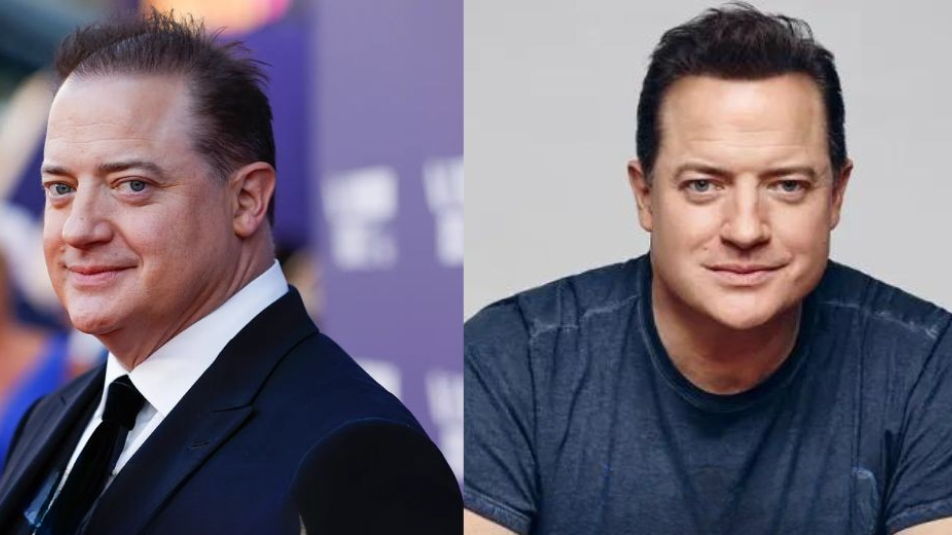
The hair changes of actor Brendan Fraser have experienced many radical transitions that have given rise to a complicated timeline which is still being analyzed by experts.
1990s – Early Career Peak
During his breakout years in films like Encino Man (1992), School Ties (1992), and George of the Jungle (1997), Fraser displayed thick, lustrous dark brown hair that became part of his signature look. His hairline showed no signs of recession, and his overall hair density appeared robust and healthy.
Early 2000s
The Initially Observable Signs of a Transition Period – At a mid-30s age, Fraser apparently started having some early signs of hair thinning, as shown by some photographic evidence. These signs were especially visible at the temples and the frontal area.
2007- The Viral Photograph
It was a photograph that was circulated widely in 2007 that indicated extensive balding on Fraser’s front scalp and crown region and thus marked the initiation of rumors about a hair transplant because of his obvious stage IV male pattern baldness.
2008 – The Remarkable Recovery
During the promotion of The Mummy: Tomb of the Dragon Emperor and Journey to the Center of the Earth, Fraser appeared with noticeably fuller hair. This rapid change for the better spawned rumors of transplants, although some believe this might have been accomplished using other techniques, such as hairpieces or fiber hair concealers.
2010s – Fluctuating Density
During this decade, there was a fluctuating amount of hair density in Fraser’s hair. The hair density went from thick to thin. Some professionals were able to identify this fluctuating density as a possible indicator of temporarily addressing his hair loss instead of doing surgery.
2022-2023 – Oscar Campaign Appearances
During his critically acclaimed comeback with The Whale, Fraser’s hair showed varying levels of fullness. At the 2023 Academy Awards ceremony, where he won Best Actor, his hair appeared well-maintained, though experts note the density still fluctuates depending on styling and lighting.
What Brendan Fraser Has Said Publicly?
Fraser has been completely tight-lipped about any possible hair reconstruction surgeries. Unlike stars like John Cena, who recently confirmed that he has undergone a hair transplant procedure in November 2024, Fraser has been keeping it hidden and not made it public.
In his interviews and appearances, Fraser has chosen not to comment on these rumors and instead speaks to his work and his career revival. This is his right, and without definitive confirmation, all speculation is nothing more than interpretative work based on visual clues.
What Hair Restoration Experts Say?
Hair transplant surgeons and trichologists perusing Fraser’s publicly accessible photos have offered diverse opinions:
The Transplant Theory:
In this theory, certain analysts identify improvements seen in “Fraser’s hairline” between the years 2007 and 2008 as a possible indicator of hair transplants. Here, if a surgery did indeed exist, then it would include what’s known as “Follicular Unit Extraction,” which would render a non-linear scar rather than appear as if transplanted.
Experts estimate that if Fraser underwent a transplant, he would have required approximately 2,000-2,500 grafts to address the frontal and temple regions observed in 2007 photographs.
The Alternative Explanation:
Other experts state that fragments of Fraser’s hair have varying density and might be better suited for non-surgical treatments. The intermittent pattern of looking fuller and then looking thinner does not correlate with the transplant procedure’s permanent density results.
These experts theorize Fraser may utilize:
- Hair fiber products like Toppik to add visual density
- Custom hairpieces for specific public appearances or film roles
- Strategic styling and longer hair to conceal thinning areas
- A combination of these methods
The Stress-Related Theory:
Some medical experts have suggested that this could be a type of telogen effluvium, which is brought about by severe, sudden stress. In the period 2007-2008, there had been serious personal issues in the way of divorcing procedures, his mother’s passing away, and traumatic events as cited. This kind of hair loss due to stress reverses on its own within months when the hair growth cycle returns to normal.
Why Fraser’s Hair Changes Aren’t Necessarily a Transplant?
Hairstyles and Styling Techniques
Modern styling techniques can create dramatic transformations without surgical intervention:
- Strategic Haircuts: Longer haircuts may help conceal a thinning area by sheer volume with layering. Thinning hair on top can be masked by “layering.”
- Professional Styling Products: Professional stylists can apply the most advanced hair fibers, thickening sprays, and root volumizers that can temporarily increase the appearance of density up to 50%.
- Hair Systems for Film: The entertainment industry routinely uses high-quality hairpieces for actors, particularly for period pieces or characters requiring specific looks. Fraser’s varying appearance may reflect the use of professional hair systems for certain roles or events.
Lighting and Photography Variables
Photographic evidence must be interpreted carefully:
- Flash Photography: The direct flash will penetrate through the thinner hair and make the scalp show through, which will produce a greater effect of balding than there really is.
- Overhead vs. Diffused Lighting: Stage lighting and professional photography setups can dramatically alter how hair density appears. Overhead lighting shines on the scalp, while diffused lighting gives the illusion of thicker hair.
- Camera Angles: When photos are shot directly from above, they are sure to emphasize thinning around the crown, while photos taken from either eye level or slightly lower may be able to build a fuller hairline out of a thin one.
- Image Resolution and Quality: In poor-quality images, baldness becomes more noticeable, whereas in studio images, it can be hidden to some extent.
Medical Considerations
- Telogen Effluvium Recovery: Indeed, the pattern of the loss of her hair in 2007 during the most stressful experiences in her personal life, followed by the improvement in 2008, corresponds with the normal progress of temporary stress-related hair loss and recovery.
- Medication Options: Finasteride and minoxidil can slow the rate of hair loss and, to some extent, stimulate growth. Fraser could conceivably use a pharmaceutical treatment that helped to halt his hair loss.
If He Had a Procedure — What Technique Would Be Most Likely?
Follicular Unit Extraction (FUE):
FUE hair transplant is a technique where individual hair follicles are removed with the help of a micro-punch from a hair-bearing area, usually from the back and sides of the head. The hair follicles are then implanted into a recipient area.
Advantages:
- No linear scarring
- Minimal downtime (5-7 days)
- Natural-looking results
- Ability to wear hair very short without visible scarring
- Lower risk of complications
Why celebrities choose FUE: FUE leaves no linear scarring, making it an ideal choice for celebrities who wish to change hairstyles or maintain their hair short. Privacy during the procedure becomes an added benefit.
Direct Hair Implantation (DHI)
DHI hair transplant is an advanced form of FUE. In DHI, the transplanted hair follicles are implanted instantly with a Choi pen implanter. DHI is even more accurate in terms of angle, depth, and direction of hair implantation.
Advantages:
- Greater control over follicle placement
- Potentially higher graft survival rates
- More natural hair growth direction
- Slightly faster recovery
- Less trauma to surrounding tissue
Celebrity appeal: DHI’s precision makes it popular among actors who need absolutely natural-looking results that will withstand close-up camera work.
Estimated Graft Count for Fraser’s Pattern
Based on the 2007 pictures, with the loss of hair and the apparent improvement in the 2008 pictures, hair transplantation surgeons estimate he would have needed:
- Frontal Hairline Restoration: 1,200-1,500 grafts
- Temple Recession: 400-600 grafts per side
- Crown Reinforcement: 300-500 grafts (if addressed)
Total Hair Transplant Grafts Estimate: 2,000-2,700 grafts
This is considered a moderate-sized procedure, achievable in a single FUE or DHI session lasting 6-8 hours.
Estimated Cost (Celebrity Hair Transplant Pricing)
As to whether Fraser’s own expenses have been confirmed, there’s no information on them; it’s possible to analyze typical prices for similar procedures for celebrities.
United States & Europe Pricing
Premium US Clinics:
- FUE: $8,000 – $20,000 (depending on graft count)
- DHI: $10,000 – $25,000
- Celebrity premium: Additional 20-50% for privacy, after-hours procedures, and guaranteed surgeon
Top European Clinics:
- FUE: €6,000 – €15,000
- DHI: €8,000 – €18,000
- Often includes luxury accommodations and privacy protocols
Turkey Hair Transplant Pricing
A hair transplant in Turkey is trusted worldwide, with internationally advanced facilities at very competitive rates:
Turkey Clinics — Istanbul:
- FUE: $2,500 – $4,500 (for 2,000-3,500 grafts)
- DHI: $3,000 – $5,500
- Sapphire FUE: $3,500 – $5,000
Why Turkey?
- Highly experienced surgeons performing 300+ procedures annually
- State-of-the-art facilities with international accreditation
- Comprehensive packages including accommodation and transfers
- Same techniques and quality as Western clinics at 60-70% lower cost
Celebrity Considerations:
High-profile clients often pay premium rates for:
- Complete privacy and confidentiality agreements
- After-hours or weekend procedures
- Private recovery suites
- Exclusive access without other patients present
- Guaranteed personal attention from lead surgeon
For a procedure similar to Fraser’s estimated needs (2,000-2,700 grafts), hair transplant cost in Turkey would range from $2,500-$5,000 versus $10,000-$20,000 in the United States.
The Psychology Behind Celebrity Hair Transplant Searches
Why Brendan Fraser’s Hair Captivates Public Interest?
Fraser’s hair journey resonates with millions because it represents more than aesthetics—it symbolizes resilience, comeback, and transformation.
The Relatability Factor
In contrast to the flawless celebrities who are always expected to look perfect, seeing a star struggle with hair loss like Fraser touches the lives of 50 million American men who suffer similar struggles with hair loss. Seeing a beloved star face the same challenge normalizes the experience and reduces stigma.
The Comeback Narrative
The revival of his acting career tracks the metamorphosis of his body. “His Best Actor Oscar at the Academy Awards in 2023 for *The Whale* is surely an experience of redemption,” he said. The audience’s interest in another experience in the world of art, as well as their concern for his wellbeing, was sure to make them conscious of his physical transformations.
The Before/After Culture
Social media has amplified our fascination with transformation stories. Fraser’s dramatic improvement between 2007 and 2008 created the perfect narrative arc that captures attention and drives engagement.
Social Media’s Amplification Effect
Visual Comparison Culture
From the likes of Instagram to TikTok, the economy thrives on side-by-side comparison content. Fraser’s transformation has made way for thousands of before/after posts, reaction videos, and speculation threads, each adding in some way to the virality of the topic.
Algorithmic Reinforcement
Once a topic starts trending, algorithms on social media give it even more lift. Searches for “Brendan Fraser hair” are up more than 300% since his Oscar campaign, creating a self-reinforcing feedback loop of interest.
Celebrity Relatability
When celebrities talk openly about procedures or when there is evidence they have had work done, it makes the treatment more accessible and acceptable to the general public.
What This Means for Everyday Patients
Reduced Stigma
Celebrity transparency, not to mention speculation regarding hair transplantation, has greatly diminished the stigma associated with the procedure. What once was embarrassing is now recognized as a valid self-care decision.
Realistic Expectations
Watching celebrities transform will help potential patients understand what can be achieved. It is also great to note that celebrities often have the best surgeons in the world, unlimited budgets, and expert styling teams.
Inspiration vs. Comparison
Fraser’s story has to be an inspiration for hope, not for comparison to strive for perfection. Every individual has a different pattern of hair loss and potential for results.
Frequently Asked Questions
Has Brendan Fraser publicly confirmed a hair transplant?
No, Brendan Fraser has never publicly confirmed or denied undergoing a hair transplant procedure. Though there have been many rumors and commentaries about his constantly changing looks, it is important to note that the actor has been private about his aesthetic procedures. All talk about his possible hair transplant is based strictly on available visuals.
Could Fraser’s hair recovery be natural?
Yes, it’s possible. It is thought that telogen effluvium is a possibility in Fraser’s situation, a condition known to be a result of stress-related hair loss.
What type of hair transplant would suit someone like Fraser?
Based on his hair loss pattern and the absence of visible linear scarring, the FUE (Follicular Unit Extraction) or DHI (Direct Hair Implantation) techniques would be most suitable.
How long does it take to see results after a transplant?
Hair transplant results develop gradually over 12-18 months:
- Weeks 1-2: Healing and scab formation
- Weeks 2-4: Transplanted hairs shed (normal process)
- Months 1-3: Dormant phase with minimal visible growth
- Months 3-6: New growth emerges; 30-40% of final result visible
- Months 6-12: Substantial growth and thickening; 60-80% result achieved
- Months 12-18: Complete maturation and final result
Patience is essential, as the full transformation takes over a year to fully manifest.
Are hair fibers a good alternative to transplants?
Hair fibers such as Toppik are effective in covering up the thinning spots to give a look of thicker hair. They function by sticking to the existing hair or scalp. Despite this advantage, they have a drawback of being a temporary cosmetic solution.
Why do Fraser’s hair photos look different at various events?
Multiple factors create varying appearances:
- Styling and products: Professional styling can dramatically alter perceived density
- Lighting conditions: Stage lights reveal scalp more than diffused photography lighting
- Camera angles: Overhead shots emphasize thinning; eye-level angles appear fuller
- Hair fiber use: Temporary concealers may be used for some events but not others
- Hair systems: Custom hairpieces for specific appearances or film roles
- Natural growth cycles: Hair thickness naturally fluctuates seasonally and due to health factors
Should I consider a hair transplant if inspired by Fraser’s journey?
Hair transplantation can be an excellent solution for appropriate candidates. Consider these factors:
Good candidates typically have:
- Stable hair loss pattern
- Sufficient donor area density
- Realistic expectations
- Good overall health
- Male pattern baldness or traction alopecia
Important considerations:
- Results take 12-18 months to fully develop
- Requires ongoing maintenance (medication) to prevent further loss
- Cannot create hair density beyond donor area limitations
- Works best when combined with preventive treatments
Set up a consultation with an experienced surgeon to evaluate your qualifications and learn what can realistically be expected in your case.
What to Do If You’re Inspired by Fraser’s Hair Journey
Before considering any restoration procedure, proper diagnosis is essential:
Professional Assessment
Schedule consultations with qualified trichologists or hair transplant surgeons who can:
- Determine your hair loss type and pattern
- Assess donor area quality and availability
- Evaluate whether you’re a suitable candidate
- Recommend the most appropriate treatment approach
Documenting Your Journey
Take regular photos in similar lighting and at similar angles once every 3-6 months. These photos will be a great way for any medical professionals to evaluate and make suggestions regarding your progress. Medical Analysis: Hair loss may point to certain medical conditions of the thyroid gland or endocrine system.
Medical Evaluation
Hair loss can sometimes indicate underlying health conditions like thyroid disorders, nutritional deficiencies, or hormonal imbalances. Comprehensive blood work ensures you address any systemic issues.
Choosing the Right Clinic
- Board-certified surgeons with specialized hair restoration training
- Membership in professional organizations (ISHRS, ABHRS)
- Documented before/after photo galleries
- Transparent pricing and comprehensive consultations
- Modern facilities with proper accreditation
Questions to Ask During Consultation:
- How many hair transplant procedures do you perform annually?
- Will the surgeon personally perform the entire procedure?
- What technique do you recommend for my specific pattern and why?
- What are realistic expectations for my donor area and desired outcome?
- What is included in the quoted price? (grafts, medications, follow-up care)
- What is your graft survival rate?
- Can I speak with previous patients who had similar procedures?
Red Flags to Avoid
- Clinics promising unrealistic results
- Lack of transparent before/after photos
- Unclear about who performs the procedure
- Pressure tactics or limited-time offers
- Significantly lower pricing without clear explanation
- No proper consultation or assessment
Setting Realistic Expectations
- Hair transplants relocate existing hair; they don’t create new follicles
- Donor area capacity limits total grafts available
- Results vary based on hair texture, color, and scalp contrast
- Multiple sessions may be needed for extensive coverage
- Ongoing medication often required to prevent further loss
Timeline Reality
The difference in Fraser’s seemingly quick change from one public appearance to another (possibly through an interim solution) and the real results post-transplant in 12-18 months. The transplant results in patience and proper expectations for satisfaction.
Conclusion
Brendan Fraser’s hair restoration-whether surgical, temporary processes, natural growth, or a combination-well epitomizes the precarious situation concerning hair restoration in the present modern era. In as much as definite confirmation is lacking, available evidence would suggest that indeed Fraser has tried several ways in the last two decades to deal with his hair problems.
All analysis without Fraser’s confirmation is interpretive, based upon photographic evidence and expert opinion.
Prepared to find a solution for your hair loss? BlueMagic Group offers complimentary consultations online.
Schedule Your Free Consultation Today →
Disclaimer: This article provides educational information about hair restoration procedures and analyzes publicly available evidence regarding Brendan Fraser’s appearance. It does not claim definitive knowledge of any procedures that Fraser may or may not have undergone. Individual results may vary. Always consult qualified medical professionals before making treatment decisions.