

Yes, hair shedding after a hair transplant is normal. About 15 to 20 days after surgery, many of the transplanted hairs fall out. This is called shock loss. The root stays in the skin, and new hair usually starts to show after about four months. Shedding becomes a reason to call your clinic only when it comes with pain, pus, fever or spreading redness. At BlueMagic Group Clinic in Istanbul, your post-op team looks at the photos you send throughout the 12-month aftercare programme.
Last updated: 16 November 2026.
Hair grows in a cycle with three stages: growth, transition and rest. In the rest stage, the root lets go of its hair. After the stress of surgery, both transplanted and nearby hairs can move into that resting phase for a while.
These are the main stresses the hair goes through during a hair transplant:
- The hair follicle is taken out of the donor area and its blood supply is cut.
- The follicle is placed again in a new spot on the scalp.
- The small openings and the local anaesthesia also affect the hairs around them.
After a hair transplant, many patients message us worried that their hair keeps falling out. Hair shedding after a hair transplant is part of normal healing. It is the scalp’s way of coping with the procedure, and it does not mean the grafts have failed.
Shedding at a glance:
| Time after surgery | What usually happens |
|---|---|
| Days 1 to 15 | The important washing period. You wash exactly as your team shows you, with the products from the clinic. |
| From day 10 | Shampoo stays on for 20 to 30 minutes, then about 3 minutes of gentle scab massage and a lukewarm rinse. The skin can stay more sensitive for about four months. |
| About day 15 to 20 | Many transplanted hairs start to fall out (shock loss). The follicles stay in the skin. |
| About 1 to 4 months | New, fine hair starts to grow and becomes visible, often around month four. |
| About 6 months | The hair gains shape and density, and most people are back to their normal routine. |
| About 8 months to a year | The final result is usually in. |
Every person heals at their own pace, so treat these as typical times, not fixed dates. Your post-op team will tell you what fits your own case.
What Causes Hair Shedding After Hair Transplant?
Each graft is placed into a tiny opening in the scalp. Whether the technique is FUE, Sapphire FUE or DHI, this is a strain on the scalp, and the hair shaft often falls out while the root settles in.
The hair around the grafts can be affected too, so some existing hair may thin for a while as well. Doctors call this effluvium. Patients usually call it shock loss.
In our clinic videos, the doctor explains that about 15 to 20 days after implantation the transplanted hair starts to fall out, and then the new hair begins to come in. Shock loss does not mean permanent damage. It is expected and temporary, and the new hair grows back at different speeds in different areas.
Can Normal Non-Transplanted Hair Fall?

Yes. After a hair transplant, some patients notice that hair which was not transplanted also sheds. The risk is higher when there is a lot of thin, weak hair between the new grafts.
These native hairs can go into a resting phase after surgery, just like the transplanted ones. This shedding can show up in the weeks after surgery, and sometimes later.
In most cases it settles on its own and the hair grows back. Hair that was already very weak before surgery may not all return, which is why your doctor plans the transplant around the hair you may still lose. Shedding in the donor area is less common and is usually temporary.
If you are worried about how fast your hair is growing back, speak to your hair transplant clinic.
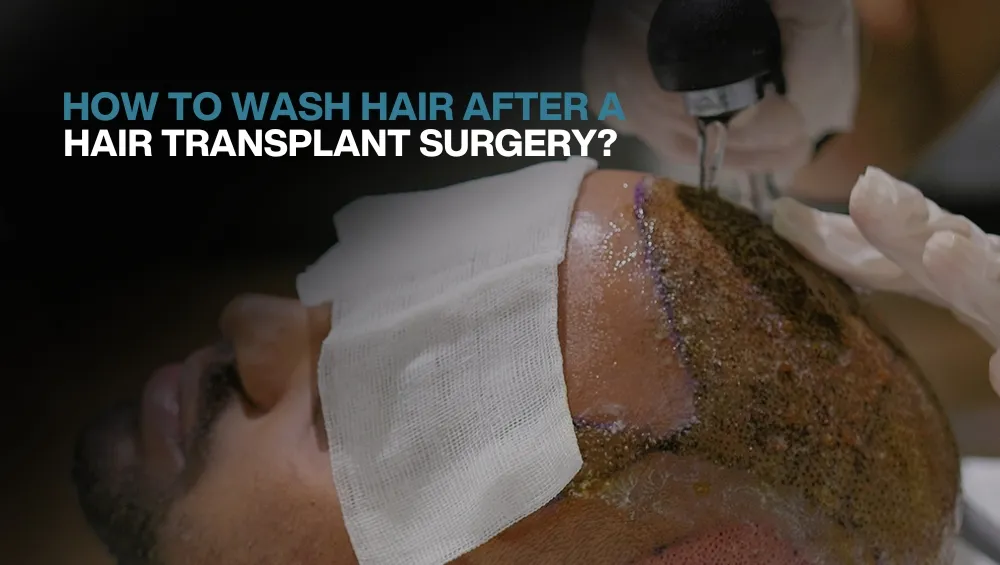
How Should You Wash Your Hair While It Sheds?
Gently, and exactly as the clinic shows you. Washing well in the first 15 days helps the scalp heal and lets the transplanted hairs shed so the new hair can grow. At BlueMagic Group Clinic the first wash is done with you at the clinic, so you know how to do it at home.
In one of our patient videos, our team tells the patient that after about 15 days the transplanted hair starts to fall out, and then fine “baby hair” begins to come in.
So the hairs you find in the sink or on the pillow in these weeks are part of the normal process. Do not pick or scratch at the grafts, and read our step-by-step guide to washing your hair after the operation.
How To Reduce Hair Shedding After Hair Transplant?
Shock loss cannot be fully avoided, but a few things can help protect the hair you have and make the months of regrowth easier:
Medication
Some doctors suggest minoxidil (known as Rogaine® and Regaine®) or finasteride (known as Propecia®) to protect native hair from further loss. Minoxidil can cause scalp irritation, itching, redness and unwanted hair growth in other areas. Finasteride lowers the hormone DHT, and some men notice a lower libido while taking it.
Both are medical decisions to make with your doctor, never on your own. If you prefer not to take medicine, read about hair transplant without finasteride.
Products For Camouflaging
Some patients use cosmetic camouflage products to hide visible thinning while the new hair grows. They add volume and lift at the base of the hair. Ask your post-op team when it is safe to start using them on the treated area.

Hair Transplant Timing and Size
Many people choose a hair transplant as soon as their hair loss begins. If the plan does not allow for the loss still to come, the hair around the grafts can keep thinning and the result can look thinner over time.
Another option is to wait until the hair loss is under control with treatment. The surgeon also has to work out how many grafts the area needs and how many the donor area can safely give. PRP treatment for the grafts is included with every package at BlueMagic Group Clinic; read more about PRP hair treatment.
When Should You Contact Your Clinic?
Shedding on its own is not a warning sign. Message your post-op team if you notice any of these:
- Pain, swelling or redness that gets worse instead of better.
- Pus, a bad smell or a fever.
- Shedding with patches of bare skin that still show no new hair long after the time your team gave you.
- Heavy hair loss in the donor area.
Every package at BlueMagic Group Clinic includes a 12-month aftercare programme with 6 follow-ups, so you can send photos and ask questions after you fly home. To learn the difference between normal healing and a problem, read hair transplant infection signs.
Frequently Asked Questions
Can transplanted hair fall out?
Yes. The hair shafts of the grafts usually fall out from about 15 to 20 days after surgery. The roots stay in the skin and grow new hair in the months that follow.
How long does shedding last after a hair transplant?
Shedding usually starts about 15 to 20 days after surgery, and new hair often starts to show after about four months. The final result is usually in at around eight months to a year.
Is it normal to shed again months after the first shedding?
The first shedding, called shock loss, starts about 15 to 20 days after surgery. After that, new fine hair grows from about month 1 to 4, and the hair gains shape at about 6 months. If hair is still falling heavily after about 6 months, send photos to your clinic and ask.
Is it normal to lose hair that was not transplanted?
It can happen, especially where there was already a lot of thin hair. It is usually temporary.
Does shedding mean my hair transplant failed?
No. Shedding is an expected stage of healing. To see what most people look like at month three, read hair transplant results after 3 months, and for later stages see our before and after results.

Conclusion
Shedding after a hair transplant is normal, and it passes. Wash gently, follow your aftercare plan and give the new hair time to grow.
If you would like to know what a transplant could do for you, get your free hair transplant plan from BlueMagic Group Clinic, or compare the hair transplant cost in Turkey and how to choose the best hair transplant clinic in Turkey.
This article is general information and does not replace a medical consultation. Your plan is based on your own photos and health history.


