

No, hair transplants do not work for everyone. They work best for pattern hair loss, such as a receding hairline or a thinning crown, when the back and sides of the head still have enough healthy hair to move. They are a poor fit when the donor area is weak, when the cause of the hair loss is still active, or when expectations go beyond what the donor hair can cover.
Last updated: 16 November 2026.
People with a receding hairline, thinning hair or bald patches often come to BlueMagic Group Clinic in Istanbul once other treatments have not given them the result they want. A transplant moves your own hair from where it still grows well to where it is missing.
Here, the first step is always a consultation, because the answer depends on your scalp, your donor area and the cause of your hair loss. Below, we explain who is usually a good candidate for a hair transplant in Turkey, who is not, and what a transplant cannot do.
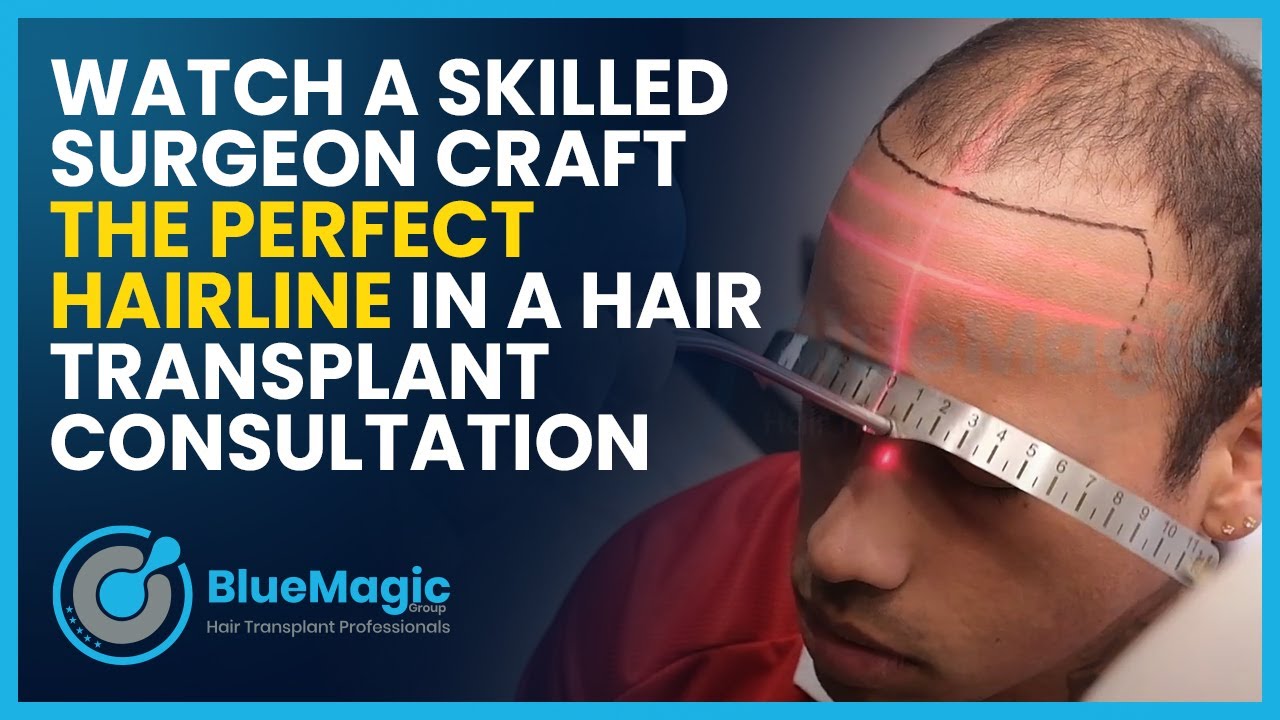
Who Is a Good Candidate, and Who Is Not: At a Glance
| Usually a good candidate | Usually not a good candidate, or not yet |
|---|---|
| Pattern hair loss: a receding hairline, a thinning top or crown | Hair loss whose cause is still active or not yet known |
| A donor area at the back and sides with enough healthy hair | A donor area that is too thin to cover the bald area |
| Expectations that match what the donor hair can cover | A hairline lower or denser than the donor hair allows |
| Healthy enough for a long procedure under local anaesthesia, confirmed by blood tests | Health problems that are not under control, such as high blood pressure |
| Ready to follow the aftercare and wait for the hair to grow | Hoping to see the final result within a few weeks |
A Short Look at How a Hair Transplant Works
The back and sides of the head are the donor area. Hair there is resistant to DHT, the hormone behind male pattern baldness, so the follicles keep growing after they are moved. That is why a transplant can last, and also why everything depends on how much healthy donor hair you have.
Before the procedure, the team cleans the donor and recipient areas and numbs them with local anaesthetic.
How Long the Procedure Takes, and What Happens After
There are two main families of technique: FUT, where a strip of scalp is removed, and FUE, where grafts are taken one by one. At BlueMagic Group Clinic we use FUE methods: Sapphire FUE and DHI. A session usually takes 6 to 8 hours, depending on how many grafts your plan needs.

The day after the procedure, the team removes the bandage and shows you how to wash your hair yourself. Some swelling is normal in the first days, and medication for it is part of the aftercare kit you take home.
So, Do Hair Transplants Work for Everyone?
In short, no. A transplant moves hair you already have. It does not make new donor hair, and it cannot stop a cause of hair loss that is still active. A good surgeon will tell you when it is not the right step for you.
A transplant is usually not the right answer, or not yet, in these cases:
- Very extensive baldness with a donor area that is too small to cover it. A plan may still help the front and middle, but full coverage is not always possible. See what is realistic for Norwood 7 hair loss.
- Hair loss caused by chemotherapy or other medicines. Speak to the doctor who treats you first: the cause has to be settled before a transplant is planned.
- Thick scar tissue on the scalp after an injury or a burn. The surgeon needs to examine the area before saying whether grafts can be placed there.
- Patchy hair loss from alopecia areata, where new patches can appear and most people are not good candidates.
- Women with diffuse thinning all over the head. Female hair loss often spreads evenly, and some causes can be reversed, so the cause is checked first. Read more about hair transplant for women.
- Very young men whose hair loss is still moving fast. A low, rounded hairline can look good for a few years, then look out of place as the hair around it keeps thinning, because transplanted hair stays.
Planning around the donor area is the core of the decision. In this consultation video, our team explains why, with a limited donor area, the grafts go to the front and middle instead of being spread thin over the whole head.
A transplant usually works well for:
- men and women with pattern hair loss whose donor area is strong enough for the plan
- people with a receding hairline or a thinning crown who want more coverage and density there
- patients with a stable donor area who want to repair a failed hair transplant done elsewhere
- people with Afro-textured hair, with extraction adapted to the follicle that curves under the skin
One patient described how the donor area shaped his plan:
They explained that I have a very high density donor area, that we can actually take a lot of grafts from there.
Patient, in the BlueMagic Group Clinic video DHI Hair Transplant: 6,500 Grafts in Two Days, Gustavo’s Story
What a Hair Transplant Cannot Do
We would rather you hear these limits from us before you book, not a year after the procedure. A transplant can change how you look, but:
- It does not stop your own hair from thinning. Male hair loss is largely genetic and can continue, so the hair around the grafts may keep thinning over the years.
- It cannot always give you the hairline you have in mind. The hairline is drawn above the forehead muscles and around your donor supply, and not every patient can get their dream hairline. Some people later plan a second session; see how many hair transplants a person can have.
- It is not instant. Between about 15 and 20 days after the procedure the transplanted hairs fall out, a normal stage called shock loss, and the new hair then grows in over the following months.
- Treatments such as PRP and medical therapy protect the hair you still have and can improve its quality, but they do not refill a bald area.
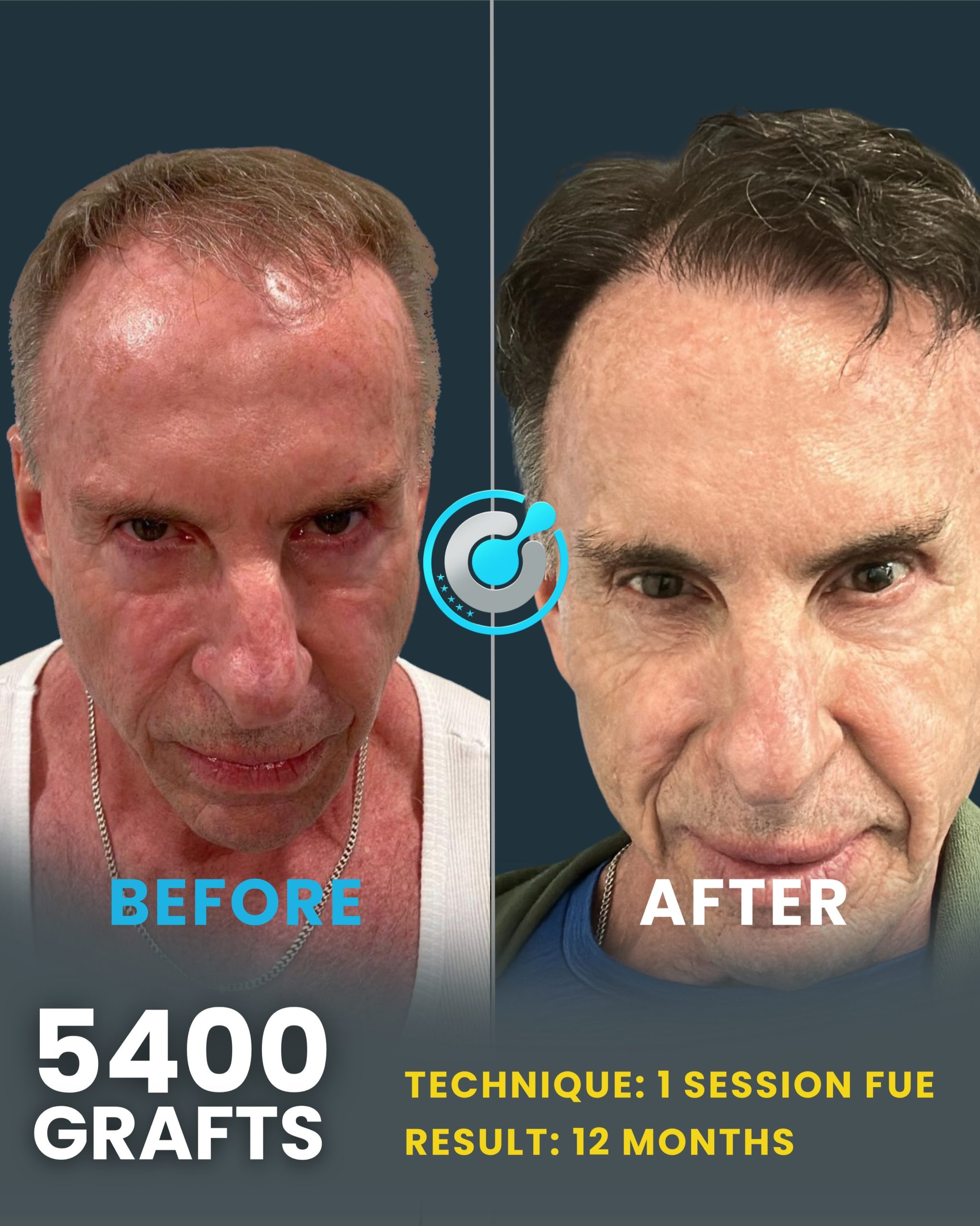
For more real cases, month by month, see our hair transplant before and after results.
A Quick Checklist Before You Decide
- Do you know the cause of your hair loss, and is it pattern hair loss?
- Has a surgeon looked at your donor area, in person or from clear photos?
- Do you know how many grafts your plan needs and where they will go?
- Are your blood tests and blood pressure in order?
- Are you ready for the aftercare, and to wait months for the result?
Conclusion
Before you decide on surgery, talk to at least two hair transplant specialists. Ask each one to explain your donor area, your graft plan and the hairline they suggest, in writing. If the answers are very different, ask why.
At BlueMagic Group Clinic, every package includes PRP and a 12-month aftercare programme with 6 follow-ups. Packages start from:
- Sapphire FUE: from €3,400, one session
- DHI: from €3,600, one session
- 2× DHI: from €4,600, two sessions on two consecutive days
See the hair transplant cost in Turkey and how to choose the best hair transplant clinic in Turkey. To find out whether a transplant would work for you, send your photos for a free hair transplant plan.
Women ask us the same question. Hair loss in women is common but rarely talked about, so a lot of myths about female hair transplants go around online. Before our doctors talk about Sapphire FUE or any other technique, they check the cause of the thinning, because female hair loss often spreads evenly over the head and some of its causes can be reversed.

Frequently Asked Questions
Do hair transplants work permanently?
The transplanted hair comes from the DHT-resistant donor area, so it usually keeps growing. Your own hair around it can still thin with time.
Who is not a good candidate for a hair transplant?
People with a donor area that is too weak, hair loss whose cause is still active, patchy alopecia areata, diffuse thinning that has not been diagnosed, or health problems that are not under control.
Can a hair transplant fail?
Results depend on the donor area, the plan and the aftercare, and every result is different. A careful consultation and following the aftercare instructions are the best ways to protect the grafts.
How do I know if I am a candidate?
A surgeon has to see your donor area and the area you want to fill. Send clear photos for a free plan, and the team will tell you honestly whether a transplant suits you.
This article is general information and does not replace a medical consultation. Your plan is based on your own photos and health history.


