

A mustache transplant (also spelled moustache transplant) suits men whose upper lip hair is patchy, thin or missing because of genetics or a scar, as long as the donor hair at the back of the scalp is healthy. Single follicles are taken from the donor area and placed one by one into the upper lip at a very flat angle, so they grow the way mustache hair does. Recovery is quick: the skin is red and sensitive for about 10 to 15 days, the small crusts fall off between day 7 and day 14, and the final result shows at up to 12 months. At BlueMagic Group Clinic in Istanbul it is planned with the same care as any hair transplant in Turkey, and often together with a beard.
Hair Transplant for Mustache: Quick Summary
- A mustache transplant moves single hair follicles, usually from the back of the scalp, into the upper lip to fill patchy or sparse growth.
- It is done with FUE extraction, and the grafts are placed with fine channels or a DHI implanter pen, chosen for the small and detailed area.
- The transplanted hairs usually shed in the first weeks, then regrow from about month 3 to 4.
- Good candidates have genetic patchiness, a scar or naturally sparse growth, and a healthy donor area.
- There is no public mustache price: you get a personal written plan with the price.
What Is a Mustache Transplant?
A mustache transplant moves healthy hair follicles, most often from the scalp, into the mustache area, one follicle at a time. Mustache hair leaves the skin at a much flatter angle than scalp hair, so the placement of each graft matters more here than almost anywhere else on the face.
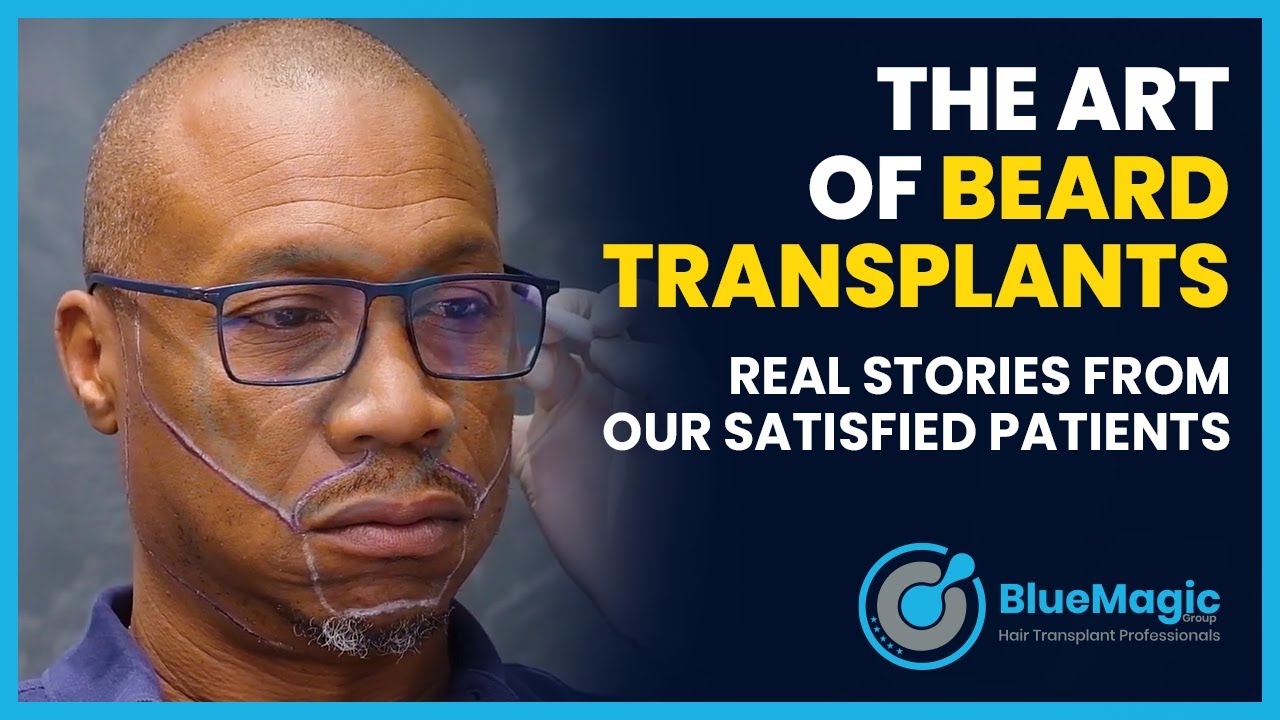
Before any graft is taken, the shape and density of the new mustache are drawn on the face and agreed with you. On the upper lip, a small mistake in angle or direction is easy to see, so this design step is the heart of the procedure.
| Mustache transplant | Scalp hair transplant | |
|---|---|---|
| Area treated | Upper lip, sometimes linked to the chin or beard | Hairline, top or crown of the head |
| Angle of the grafts | Very flat, close to the skin | Steeper, following the scalp hair |
| Grafts | Far fewer than a scalp or full beard plan | Usually thousands, depending on the area |
| Healing skin | More sensitive, soft food for the first days | Less sensitive |
Who Is a Good Candidate for a Mustache Transplant?
You are usually a good candidate if your upper lip has gaps that have not filled in by adulthood and your donor area is strong. These are the most common reasons people ask us about it:
- Genetically patchy or uneven mustache growth
- Naturally sparse or thin facial hair with no active underlying medical cause
- Scarring from injury, burns, or previous surgery affecting mustache growth
- Hair loss from certain medical conditions once the condition is stable
- Sufficient donor hair density, usually assessed at the scalp
Who May Need a Specialist Opinion First
Active skin conditions on the upper lip, or hair loss from a condition that has not settled yet, can affect how well the grafts take. In those cases a dermatologist should look first. A consultation with photos of your face and donor area is the only reliable way to confirm that a mustache transplant fits you.
How Does a Mustache Transplant Work?
The procedure follows four steps. In Istanbul, the incisions and the extractions are done by the doctor, and technicians support the doctor.
1. Consultation & Design
The team looks at your natural facial hair pattern, the density you have now and the shape you want, then draws the area to be treated. You see the design in the mirror and change it until you are happy with it.
2. Donor Area Extraction
Local anaesthesia is applied to the donor area, usually the back of the scalp. Single follicles are extracted with care so they stay healthy for their new place.

3. Implantation
Each follicle goes in at a shallow, precise angle to copy natural mustache growth. Depending on the density and precision needed, the team uses Sapphire FUE channels or the DHI implanter pen. You can read how DHI pricing works on our DHI hair transplant cost in Turkey page.
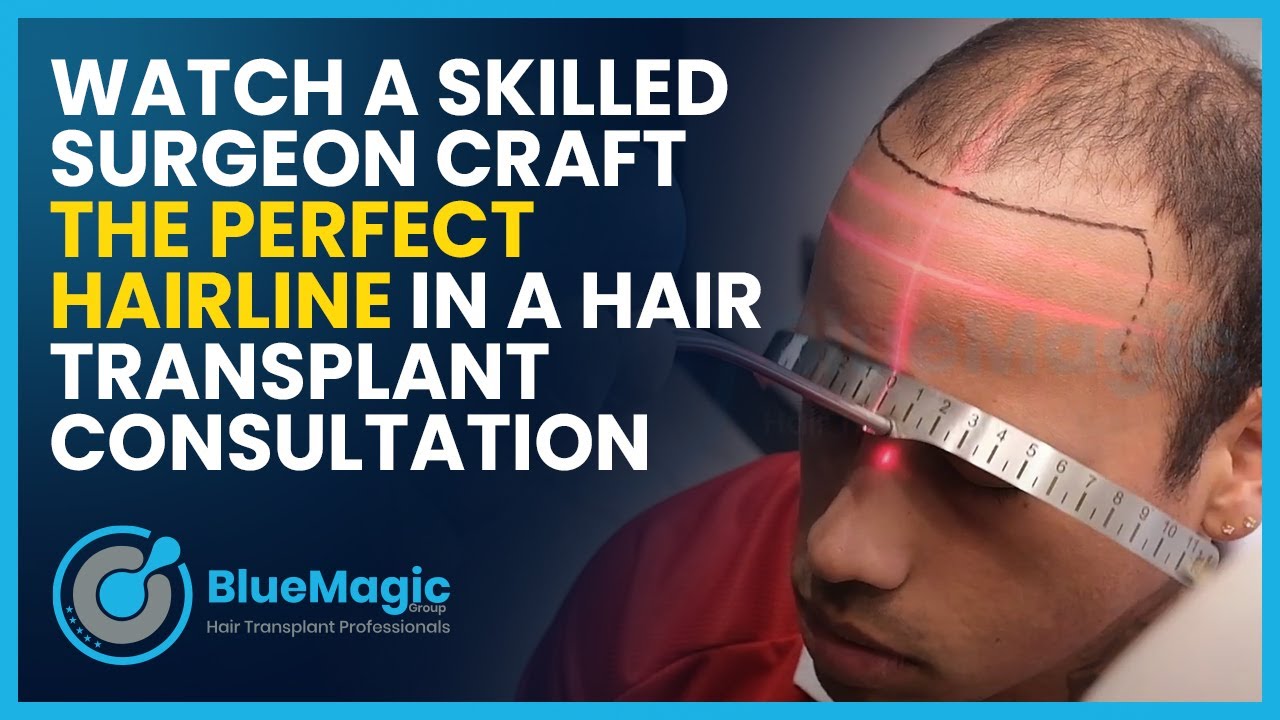
The video below shows how the team designs a beard and joins it to the mustache, the same planning a mustache-only case starts with.
4. Aftercare
The area is cleaned gently and you get written instructions. The skin of the face is more sensitive than the scalp, so for the first two to three days soft food such as soup is easier, and very hot food and drinks are best avoided. Do not touch, shave or put products on the upper lip until the team says so.
One of our clinic videos puts it simply:
“…Aftercare is as important as the operation by itself.”
From the BlueMagic Group Clinic video Incredible Hair and Beard Transformation Journey
Is a mustache transplant permanent?
The transplanted follicles come from the donor area, which resists pattern hair loss, so they are expected to stay for good.
Signs of a Poorly Planned Mustache Transplant
- No discussion of hair texture matching between donor and mustache area
- Surgeon has limited facial-hair-transplant experience, mainly scalp cases
- Grafts placed at a steep angle rather than the shallow angle natural mustache hair grows at
- No design or shape discussion before the procedure
Ask to see mustache or beard results, not only scalp results. Facial hair design is a different skill from scalp work, and a scalp portfolio does not show how a team handles an upper lip.
What Are the Risks of a Mustache Transplant?
A mustache transplant is a small procedure, but it is still surgery, and no clinic can guarantee a result. These are the honest limits to weigh before you book:
- Redness and mild swelling of the upper lip for the first days, and redness for about 10 to 15 days
- Tiny crusts at each graft site, which fall off between day 7 and day 14
- Shedding of the new hairs in the first weeks, which is normal and not graft failure
- Scalp hair can look a little different from your own facial hair in texture or colour
- A density that is lower than hoped, which some people top up with a second, smaller session
- Infection, a risk with any procedure that breaks the skin, which the aftercare instructions help prevent
Mustache Transplant Recovery Timeline
The table shows what usually happens, stage by stage.
| Timeframe | What to Expect |
|---|---|
| Days 1 to 3 | Redness and mild swelling around the upper lip; tiny scabs form at each graft site; soft food is easier |
| Days 7 to 14 | Scabs flake off on their own (up to two weeks is normal); avoid picking or scratching |
| Days 10 to 15 | Redness settles and the skin looks close to normal |
| Weeks 2 to 4 | Transplanted hairs typically shed. This is normal and expected, not graft failure |
| Months 3 to 4 | New growth begins as follicles enter a fresh growth cycle |
| Months 6 to 12 | Full, final density and thickness visible |
What Does a Mustache Transplant Cost?
Cost depends on the number of grafts, the technique and the clinic. A mustache needs far fewer grafts than a scalp or a full beard transplant in Turkey, so the total is usually lower, and many people combine the two in one session.
BlueMagic Group Clinic does not publish a mustache price, because the graft count changes a lot from one face to the next. You send photos and get a personal written plan within 24 hours with the price. For comparison, the scalp packages on our hair transplant cost in Turkey page start from €3,400 for Sapphire FUE and €3,600 for DHI.
When you combine a mustache with a scalp transplant, it is quoted as part of an all-inclusive hair transplant package, which includes:
- Medical consultation and your graft plan
- A personal translator
- A 5-star hotel with breakfast: 3 nights for one session, 4 nights for two
- Private transfers between the airport, hotel and clinic
- PRP for the grafts, included free and worth €600
- A 12-month aftercare programme with 6 follow-ups
For a fuller beard, see beard transplant cost in Turkey.
Get your free mustache plan: send photos of your upper lip and donor area.
Frequently Asked Questions
Does a mustache transplant hurt?
It is done under local anaesthesia, so most people feel pressure rather than pain during the procedure, and some tenderness for a few days afterwards.
How many grafts does a mustache transplant need?
Far fewer than a scalp or full beard plan, because the area is small. The exact number depends on how much hair you have now and how full you want the mustache, and your written plan states it.
Can a mustache transplant be combined with a beard transplant?
Yes. Many patients combine a mustache and a beard transplant in Turkey in one session so the two areas join up naturally.
Will my results look natural?
A natural look depends on the right angle, direction and texture match. Planned that way, the new hair is designed to blend with your own facial hair, but results vary from person to person.
How soon will I see results?
New hair usually starts to grow around month 3 to 4, after the shedding phase, and the full result shows at up to 12 months.
When can I shave or trim my mustache?
Wait until the crusts have fallen off and the team says the skin is ready. Follow the date in your written aftercare instructions.
Final Thoughts
BlueMagic Group Clinic at a glance:
- 12 years in Istanbul, led by CEO and co-founder Pasquale Minasi
- More than 35,000 procedures, patients from 120+ countries
- 4.6 on Trustpilot from 1,475 reviews
A mustache transplant is a precise, detail-sensitive procedure, so experience with facial hair matters more here than for almost any other hair restoration treatment. If you are considering a hair transplant in Turkey for your mustache, start with a consultation that includes a clear design discussion.
Read how we compare on choosing the best hair transplant clinic in Turkey, or get your free plan by sending photos of your upper lip and donor area.
Last updated: November 2026.
This article is general information and does not replace a medical consultation. Your plan is based on your own photos and health history.


